
How to Use Social Media to Grow a Small Business Organically — Practical Strategies for Consistent Brand Growth
You can grow a small business on social media without paid ads by focusing on consistent value, community, and clear goals. Prioritize organic social media strategies that build trust—share useful content, engage directly with followers, and optimize profiles so people find and convert.
They will learn practical steps for content planning, platform choice, and measuring what matters so efforts translate into real customers. This article guides the use of social media, organic social media tactics, and social media marketing within a small-business digital marketing plan.
How to Use Social Media to Grow a Small Business Organically
This section explains practical steps to set measurable goals, pick the right platforms, create content that attracts followers, and use analytics to iterate. It focuses on tactics small businesses can apply on Instagram, Facebook, TikTok, LinkedIn, YouTube, and other social platforms to increase brand visibility, website traffic, and leads without paid ads.
Identify Your Social Media Goals
They should set clear, measurable goals tied to business outcomes: increase website traffic by X% in 90 days, generate Y leads per month, or boost monthly sales from social by Z dollars. Use SMART criteria and prioritize goals that a small business can track with existing tools (Google Analytics, Meta Business Suite, TikTok Analytics).
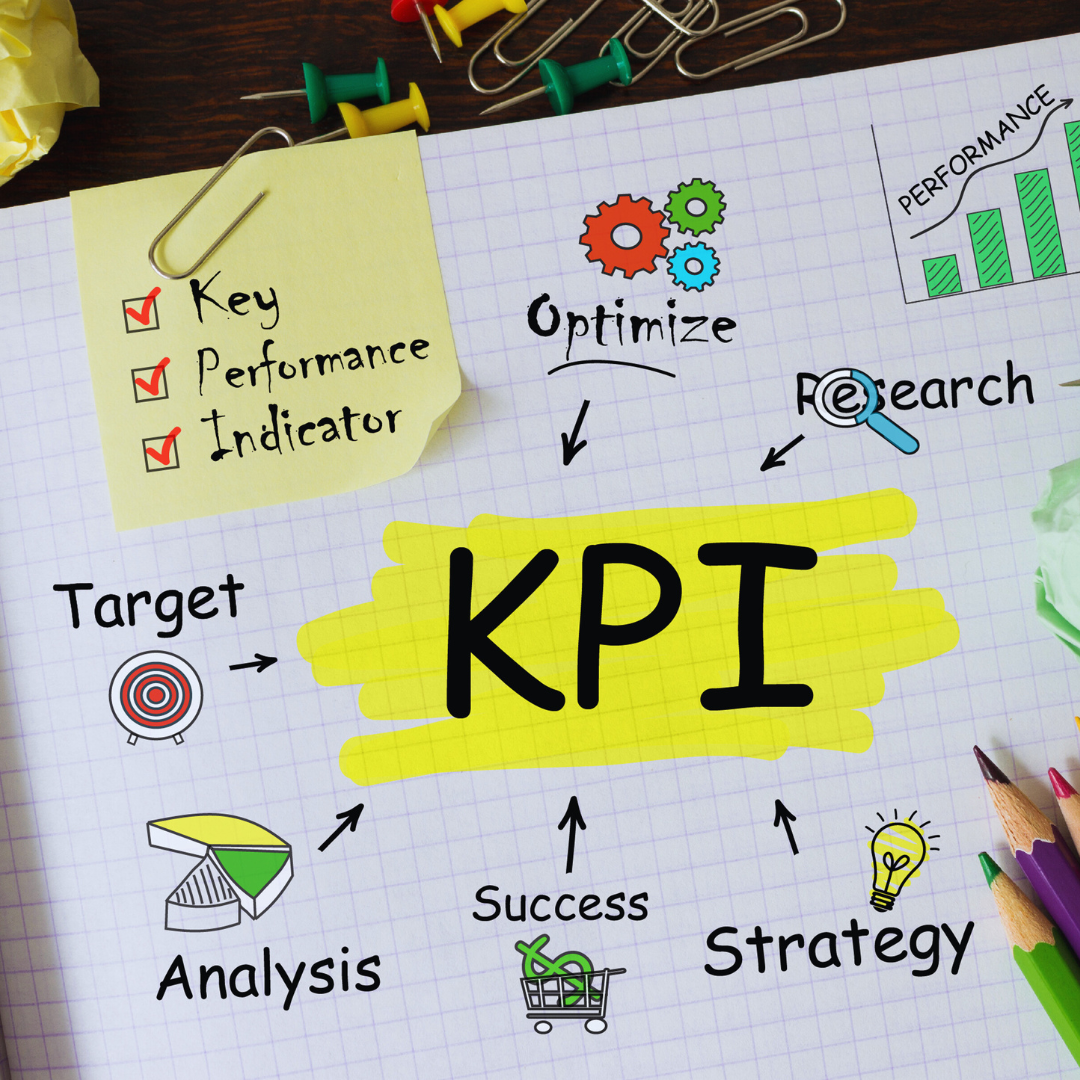
Map each goal to a KPI: brand awareness → impressions and follower growth; engagement → engagement rate and comments; leads → CTR and conversion rate; customer support → response time and resolved tickets. Assign one person to own each goal and update metrics weekly in a simple dashboard using Hootsuite, Sprout Social, Buffer, or a shared spreadsheet.
Choose a timeframe and budget (time, not money) for organic activities: hours per week for content creation, community management, and social listening. Set milestones to test tactics like reels, short-form video, or LinkedIn posts, and measure lift in CTR and website sessions.
Understand Your Target Audience
They must create buyer personas that list demographics, platforms used, content preferences, pain points, and purchasing triggers. Collect data from customer surveys, website analytics, Instagram/Facebook Insights, and competitor analysis to validate assumptions about age, location, work role, and device usage.
Identify where the audience spends time: younger audiences often favor TikTok and Instagram Reels; B2B buyers prefer LinkedIn and long-form YouTube content. Note what content formats convert best for each persona — educational videos, how-to posts, product demos, or testimonials — and record peak active hours for posting.
Use social listening and saved searches to track trending topics, brand mentions, and competitor campaigns. They should iterate personas quarterly based on engagement metrics, follower growth, and lead quality to keep the content strategy aligned with buyer behavior.
Choose the Right Social Media Platforms
They should focus on 1–3 platforms where target customers and business goals overlap. For visual retail products, prioritize Instagram (Feed, Reels, Instagram Shop) and Pinterest. For quick attention and viral potential, test TikTok and short-form video. For B2B lead generation, lead with LinkedIn and long-form YouTube educational content.
Evaluate platform-specific KPIs: Instagram engagement rate and saves, TikTok watch time and shares, LinkedIn CTR and profile views, and YouTube watch time and subscriptions. Avoid spreading resources thin across every social channel; concentrate on platforms that drive the highest CTR, conversions, or follower growth.
Use tools like Meta Business Suite for cross-post scheduling, Later or Buffer for content calendars, and platform analytics to compare performance. Consider platform features — Instagram Shopping, TikTok Shop, or LinkedIn Lead Gen Forms — only if they match the sales funnel.
Develop a Compelling Content Strategy
They should document a content mix that aligns with goals: 40% educational content, 30% product highlights and offers, 20% behind-the-scenes or brand voice content, and 10% UGC and social proof. Create a content calendar that maps formats (reels, short-form video, carousels, articles), platforms, publishing dates, and CTAs.
Define brand voice and visual guidelines (colors, fonts, caption tone) to maintain consistent brand visibility and brand loyalty. Use A/B testing on captions, creative, and posting times to improve CTR and conversion rate. Track which topics drive saves, shares, and comments, then double down on those.
Plan for scalable content creation: batch shoot reels and short-form videos, repurpose long-form video into clips for Instagram and TikTok, and convert customer testimonials into quote graphics and short clips to bolster social proof.
Create Engaging and Authentic Content
They should prioritize content that educates, solves problems, or entertains while clearly showing the product or service in context. Use storytelling in 15–60 second reels and TikTok videos to demonstrate benefits, then include a direct CTA like “visit profile” or “shop link in bio.”
Encourage UGC by running simple campaigns: a branded hashtag, a discount for video reviews, or a customer testimonial series. Feature UGC in feed posts and stories to boost trust and social proof. Mix formats—carousel tutorials on Instagram, explainer videos on YouTube, and polls or interactive stickers in Stories—to increase interaction.
Optimize every post for the platform: include captions for videos, use 3–5 targeted hashtags on Instagram, add trending sounds on TikTok, and insert a clear CTA for conversions. Maintain authenticity by responding to comments and avoiding overly produced content that feels disconnected from the audience.
Build a Consistent Posting Schedule
They should create a content calendar with frequency targets per platform: e.g., 3–5 Reels/TikToks weekly, 3 feed posts and daily stories on Instagram, 1–2 LinkedIn posts weekly, and 1 YouTube tutorial every 2–4 weeks. Use tools like Later, Buffer, Hootsuite, or Sprout Social to schedule and preview posts.
Post when the audience is most active, based on platform analytics and testing. Track best time-to-post by measuring engagement rate and CTR per slot, and adjust the schedule monthly. Keep a balance between evergreen content and timely posts for trending topics or seasonal campaigns.
Standardize templates for captions, CTAs, and hashtags to speed content creation and keep brand voice consistent. Allocate specific days for content themes (e.g., Monday tips, Wednesday behind-the-scenes, Friday customer stories), so followers learn what to expect.
Foster Community Engagement and Social Proof
They should respond to comments and DMs within a target window (e.g., under 24 hours) to improve customer service and build loyalty. Use interactive features—polls, Q&A, quizzes, and live streams—to drive two-way engagement and surface product feedback.
Build social proof with customer testimonials, case studies, and UGC highlights. Create a branded hashtag and encourage customers to post with incentives like reposts or monthly features to grow UGC volume. Recruit micro-influencers or brand ambassadors who align with buyer personas to amplify reach and generate authentic endorsements.
Monitor sentiment via social listening and address negative mentions proactively. Track engagement metrics—reply rate, comment sentiment, and volume of UGC—to measure community health and its impact on conversion and retention.
Leverage Analytics to Optimize Organic Growth
They should set up conversion tracking and UTM links to attribute website traffic and leads to specific posts, campaigns, and platforms. Monitor metrics by platform: engagement rate, watch time, CTR, conversion rate, follower growth, and referral traffic in Google Analytics.
Run regular A/B tests on creative, captions, hashtags, and posting times. Use insights from TikTok analytics, Instagram Insights, LinkedIn analytics, and YouTube Studio to identify high-performing formats and topics. Export monthly reports from Sprout Social or Meta Business Suite to compare performance against goals and adjust the content calendar.
Create an iterative plan: test one variable per cycle, measure lift in CTR or conversions, and implement winning variants. Document learnings and scale tactics that increase organic reach, micro-virality, and lead generation without increasing ad spend.