
How to Use Interactive Technology to Drive Social Media Engagement at Events
How to Use Interactive Technology to Drive Social Media Engagement at Events
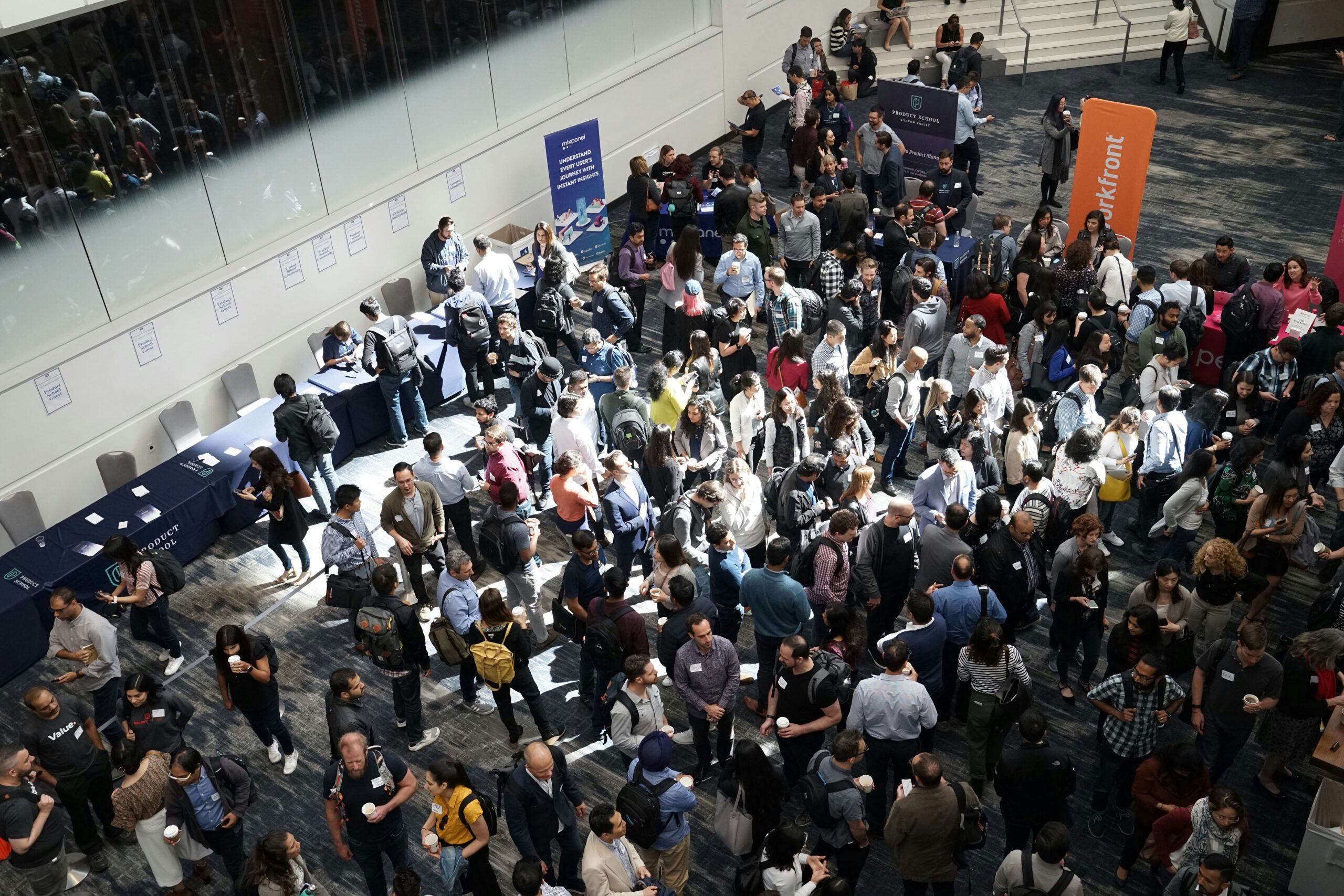
Engagement technology, which transforms booth visits into digital keepsakes or social media sharables, is a mega trend for two reasons: not only are you going to engage more people at the show, you become part of a multiplier effect where the attendees who visit your booth do your marketing for you.
Build the booth around "phygital" moments
The best trade show attractions are not passive exhibits, but interactive moments where people can’t help but share before even leaving your booth. Augmented reality filters are great for this, as are touch-sensitive displays that let someone "configure" a product or solution and see a rendered version of it. The key here is that whatever the attendee creates, builds, or interacts with is directly delivered to them. Not printed out. Not emailed three days later. Sent to their phone within 30 seconds so they can post it while they’re still standing in your booth. This frictionless delivery model is what separates gimmick technology from technology that actually generates reach. If there’s any friction in getting the content from your booth to their feed, most people won’t bother.
Create competition, not just participation
A social media wall that shows real-time posts using your event hashtag accomplishes two things. It takes your content and pools it into one visible stream, and it creates a competitive vibe that most trade show attendees respond to on cue.
Introduce a leaderboard that names the most active posters, have a decent prize for the top poster at the end of the day, and the number of posts will jump. People know that those in their industry – which is pretty much everyone at a trade show – will see their engagement. Most will want to get messages and images out to their networks wherever they can.
The gap between physical experiences and digital tracking gets thicker every year. Using QR codes at every interactive entry/feedback point accomplishes a variety of tasks quickly. Scan to share a product card on an interested lead. Scan to enter your name in a drawing every two hours. Scan, and your phone gets a link to the out-of-this-world product demo.
Make the visual anchor do real work
A good booth stops foot traffic. The wrong booth-stopper makes people keep walking. Large monitor with a looping product video? People will glance and move on. Same with anything that looks even slightly advertisey. Nobody wants to stand in front of your branded backdrop. Spinning prize wheel? Perfect way to find yourself standing in a crowded aisle with employees spinning it to kill time.
The booth stopper that works is a professional photo station. Everyone wants a good picture of themselves. A trade show photo booth rental that offers a few minutes of fun while someone takes your picture makes two things happen. First, people stand still for two minutes, which is all you want. Second, they have a high quality, professionally lit photo immediately sent to their phone which they will immediately post to their socials. Every person who does this is posting an image of themselves at your booth with your branding clearly in the background to all of their contacts. Most important, they look at their best in this image, which makes them and their contact see your brand in a good light.
Tie every interaction back to a data output
Activities and activations can also help visitors learn. If they leave their touchpoint more informed than when they arrived, that’s fantastic – and it drives them deeper into your conversation funnels. But it must not be so complicated that they don’t want to engage at all.
Only after all those considerations are met will you know that the activity is something your specific audience will find fun. Fun activities tend to attract more attention than boring activities. Look for ways to drive engagement and education – interactive and fun activities almost always deliver on both counts.
Let the attendee be the story
What all of these have in common is that the most successful interactive experiences are not about the brand. They are about the attendee. The AR that puts their face or name into branded content. The photo station where they are the subject. The leaderboard where they are the hero. Those are the pieces of technology that generate sharing, because people share things that feature themselves.
Your brand goes along with that content. That’s the key. Build the technology in such a way that it makes the attendee the hero, and the brand awareness will come automatically without you ever having to pitch it.